
The Ukrainian National Lobbyists Association (UNLA) is preparing an official appeal to the European Parliament to provide unambiguous clarifications on which Ukrainian organizations are required to register in the EU Transparency Register to interact with EU institutions.
This includes public organizations, business associations, professional associations, consulting companies, charitable foundations, and other entities that carry out advocacy activities or represent interests in the European space. The NALU also plans to clarify whether Ukrainian entities need to obtain additional lobbyist status in accordance with EU law.
The NALU emphasizes that the issue of harmonizing the Ukrainian lobbying model with EU practices is critical in the context of European integration and the entry into force of the Law of Ukraine “On Lobbying.” Currently, Ukrainian organizations face legal uncertainty, which can create risks in their interaction with European structures and affect the image of Ukraine.
After receiving an official explanation from the European Parliament, the NALU plans to publish the document and pass it on to Ukrainian institutions, business associations and the public sector as a guide for further work with EU bodies.
Europe Toughens Transparency Rules: Expert Commentary by Oleksandr Kamenets on the New EU Directive on Third Country Lobbying
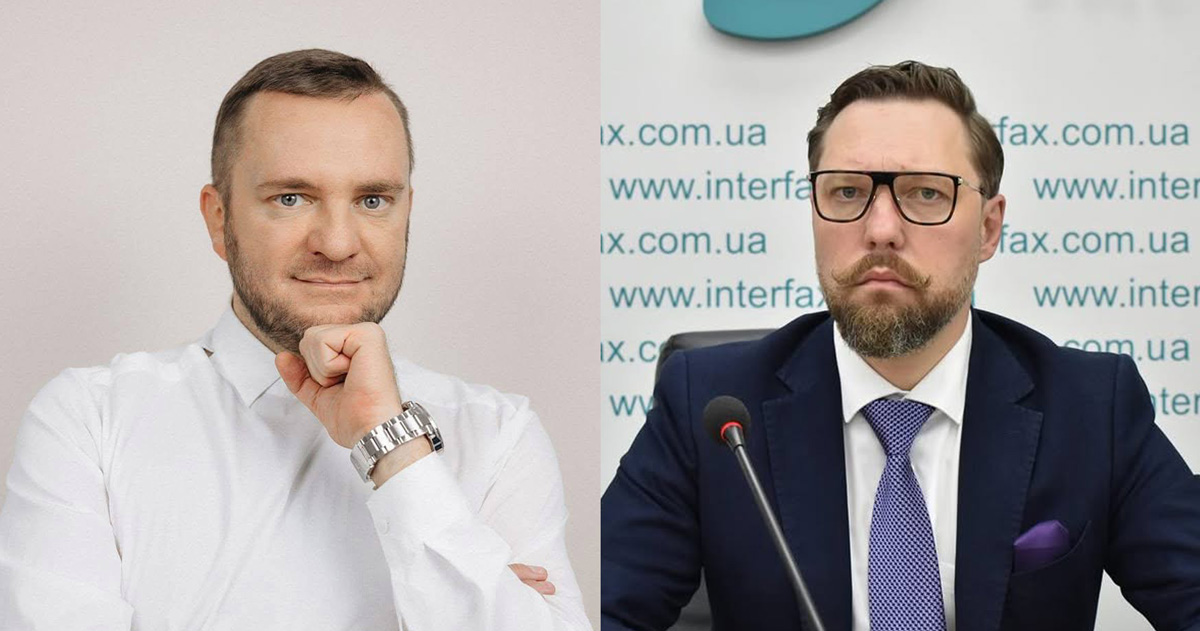
Oleksandr Kamenets, a member of the Ukrainian National Lobbyists Association and an expert on international communications, explains the situation with European lobbying regulation.
According to him, the position adopted by the European Parliament on the new transparency rules for third-country lobbying has a much deeper meaning than purely technical regulation of interaction.
“In fact, the European Union is strengthening its own immunity from non-transparent external influence. In recent years, the threat of foreign interference in political processes has become systemic – from shadow funding of platforms to covert influence on legislative initiatives. The new directive is about protecting democracy and transparency of decisions,” emphasizes Kamenets.
He notes that the logic of the document is to establish maximum openness of the activities of those entities that work on behalf of foreign states or related entities. At the same time, the EU is trying to maintain a balance to prevent a model of repressive surveillance similar to that of “foreign agents” in non-democratic countries.
According to Kamenets, the key risks of the new system are:
- possible distortion of the rules at the national level of the EU countries;
- the risk of excessive pressure on civil society;
- difficulties for international partners if the requirements are interpreted too broadly.
The expert also emphasizes the geopolitical aspect of the new directive:
“The EU is sending a clear signal: the era of open vulnerability is coming to an end. This applies both to Russian attempts to influence and to the activities of global players whose interests do not always coincide with the democratic values of the Union,” Kamenets said.
What it means for Ukraine
According to Oleksandr Kamenets, the new rules have a double effect for Ukraine:
- Positive: increased trust, predictability, and transparency in working with the EU, and the development of common advocacy standards;
- Challenge: The risk that an excessive interpretation of the rules may create additional barriers for Ukrainian enterprises, foundations and experts working in the field of international communications.
“The key task for Ukraine is to find a balance between transparency and freedom of public activity, to prevent political pressure and at the same time to harmonize its lobbying model with the European one,” Kamenets concludes.