
Armed conflicts in Middle East have alarmed the world community and international financial organizations. Oil, gold and precious metals have risen in price. The jump in prices is likely to contribute to the increase in global inflation. Kabar agency discussed with economists about the impact of the events on Kyrgyzstan, which is an integral part of the global economy.
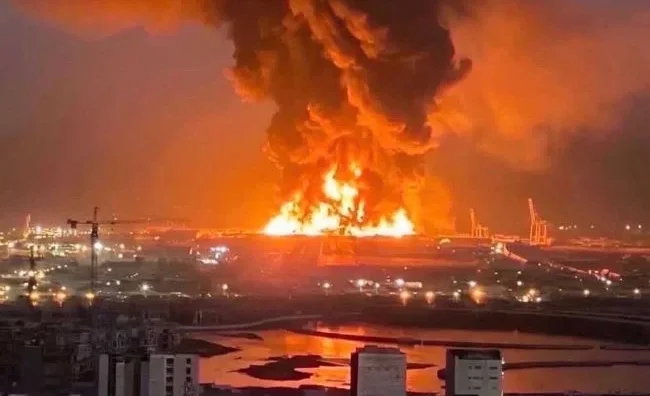
Currently, military operations between Iran, the US and Israel are also having a devastating impact on other Gulf states, forcing them to make drastic decisions. Experts note that the Arab world may slow down or reconsider investment and economic partnership activities. This situation cannot but affect Central Asia, including Kyrgyzstan.
In recent years, Kyrgyzstan’s economic performance has increased, its fiscal policy has been regulated, and special conditions for investors have been created, which has renewed relations with Arab world. While the Gulf countries are “oil giants” for the world, our region has begun to be considered an attractive country for investors with deep pockets.
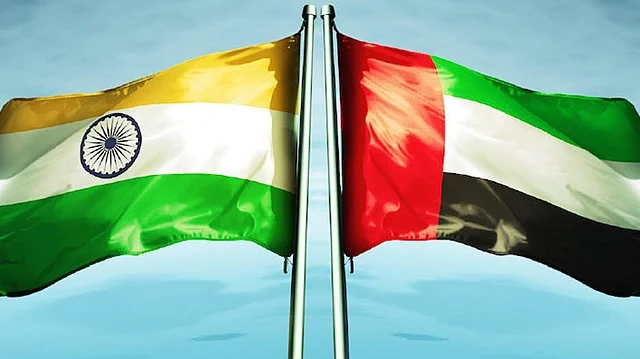
While Iran is interested in Kyrgyzstan’s business incentives and tax conditions, the opportunities for transporting goods to world markets through Iranian ports are important to us. For the United Arab Emirates, Kyrgyzstan has significant investment potential in the areas of transport and logistics infrastructure, energy, mineral resources and raw materials, telecommunications and digital infrastructure, food and agribusiness.
It is known that the Saudi Development Fund has allocated $ 100 million for housing construction in Kyrgyzstan. In addition, social projects such as building schools and roads are being implemented.
Economist Iskender Sharsheev noted that peace in the Middle East is important for Kyrgyzstan.

According to him, once the construction of the China-Kyrgyzstan-Uzbekistan railway is completed, our country will begin to transport goods through the Iranian port of Mashhad, using global logistics and the shortest transit route.
“The situation will have some impact on Kyrgyzstan. First, if the Strait of Hormuz is completely closed, oil prices will increase. On the fifth day of last week, oil prices rose by 4%–8%.
If this affects global inflation by 3%–4%, it is likely to add 2%–3% to our inflation. Leaving aside emotions and the consequences of the war, there are also opportunities for us. If the Strait of Hormuz is closed, cargo transportation through us by land will increase. Kyrgyzstan will receive money from transit. If military operations last a long time, transit cargo from China to Europe through Kyrgyzstan may increase by an additional 30%–90%. Even if the conflicts end quickly, sanctions are lifted, or the regime changes, Kyrgyzstan’s economic ties with the Middle East via railways or other routes will increase, creating a positive effect,” says Iskender Sharsheev.
Economist Kuban Choroev added that in recent years, economic relations between Kyrgyzstan and Middle East, especially the Gulf Arab states (UAE, Saudi Arabia, Qatar), have reached a new strategic level.

“However, so far we are in the phase of institutional and structural formation of this cooperation. If we take into account investment activity, the creation of a joint holding company with the Abu Dhabi Development Fund, and the financing of social and infrastructure projects by the Saudi Development Fund are real steps for us.
In terms of export, the Middle East is a huge market with high purchasing power. We have great prospects, especially in the direction of exporting the “Halal” industry, organic agricultural products, and drinking water. Geopolitical tensions and armed conflicts have a two-way impact on Kyrgyzstan. First, the rise in fuel prices will indirectly affect inflation through increased logistics costs. Secondly, large investors in the region may reconsider their external projects or slow down financing due to security risks,” says Kuban Choroev.
Redistribution of investment flows
Uncertainty in Middle East may force some investors to look for alternative regions. This opinion is shared by strategic tourism analyst Maksat Chakiev. According to him, Central Asia has the potential to become an attractive region for capital investment.
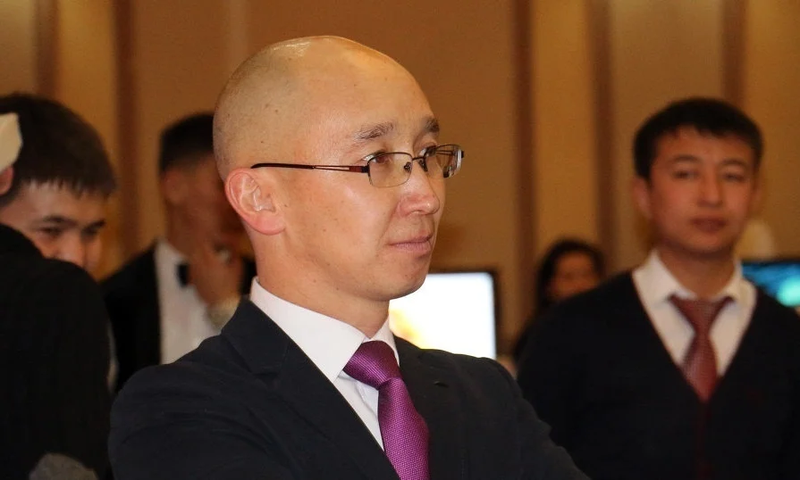
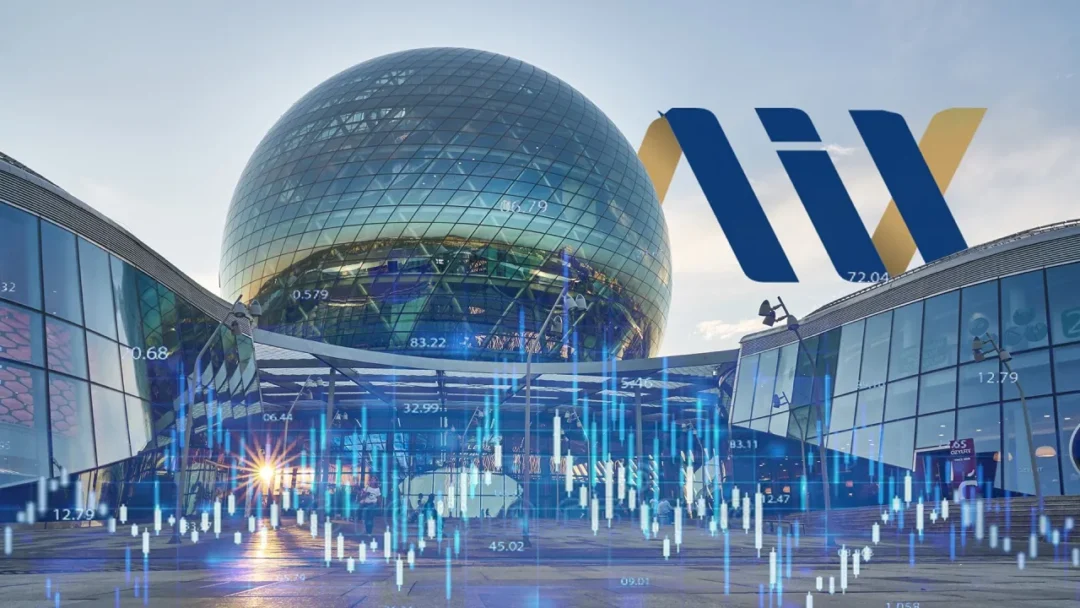
“If Central Asia is perceived as a neutral and stable region, it can attract new financial flows. If Astana strengthens as a financial center, Tashkent will strive to become a manufacturing and business hub. And Kyrgyzstan can gain an advantage in the climate tourism and second residence market. If we can maintain internal political stability, our region can achieve the status of a “Quiet Harbor” and become a new direction for capital and tourism.
30-50% of the premium tourism market in the Middle East could flow to peaceful and climatically favorable regions. For Kyrgyzstan, this opens the way for the development of areas such as mountain residences and premium retreat projects. If our region pursues a proactive policy and improves the business climate, then Central Asia can benefit from the process of global redistribution,” says Maksat Chakiev.